
Digital dual mixer time difference for sub-nanosecond time synchronization in Ethernet
Published:
2010 IEEE International Frequency Control Symposium (FCS)
Abstract
A digital architecture for the Dual Mixer Time Difference (DMTD) is presented. This architecture has several advantages over other phase frequency detectors such as being linear, not having a dead zone and with an accuracy within the sub-picoseconds range. The intrinsic phase noise present in all timing signals is the main cause of the limitation in the accuracy of this phase frequency detector. Therefore, this paper describes the advantages and disadvantages of the presented architecture as well as how its performance changes with the clock phase noise by showing some experimental measurements. The application of this architecture, for the use of Ethernet as both data and synchronization network, is also discussed.
MORE ABOUT THIS TOPIC
Related Publications
-
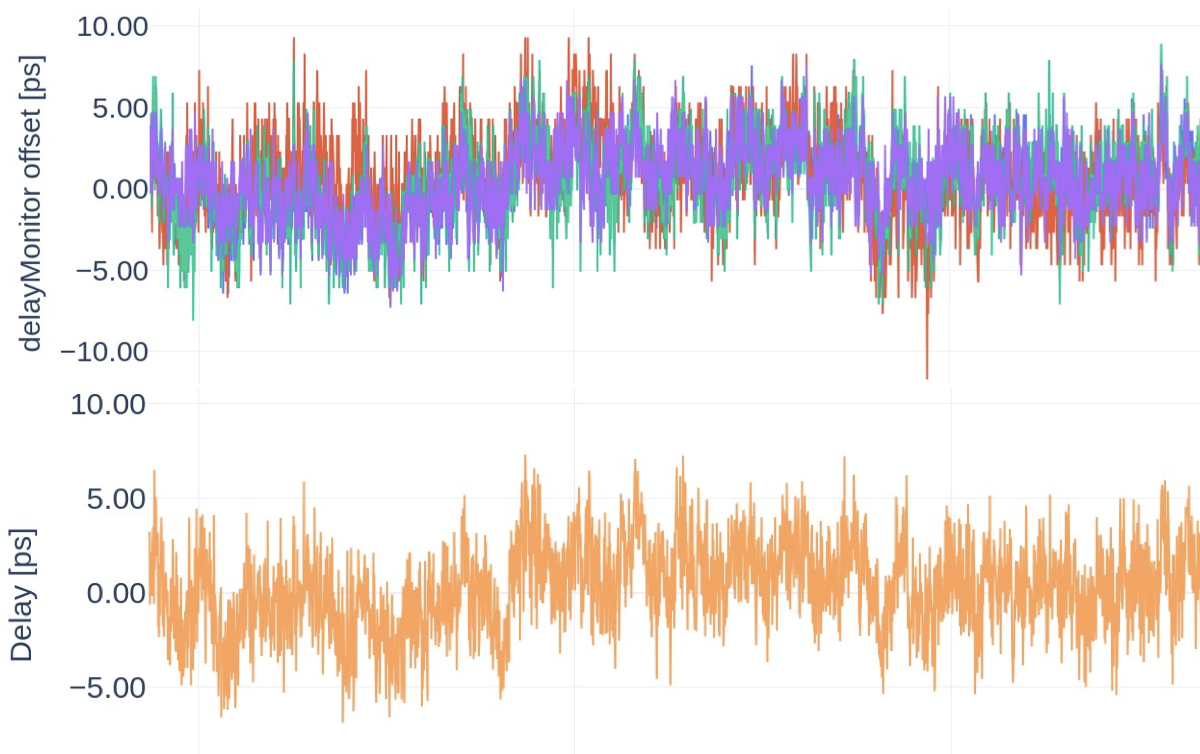
Collaboration Bureau to add a much-needed delay monitoring feature to switch firmware
The new feature can significantly simplify monitoring of redundant links or multiple time sources, enabling the collection of time… Read More
-
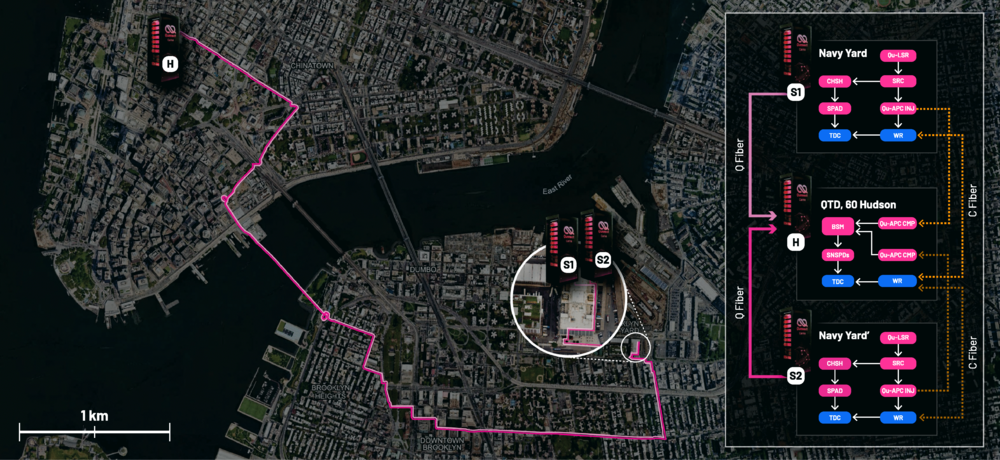
High-Rate Scalable Entanglement Swapping Between Remote Entanglement Sources on Deployed New York City Fibers
Abstract Entanglement swapping between photon pairs generated at physically separated nodes over telecommunication fiber infrastructure is an essential step… Read More
-
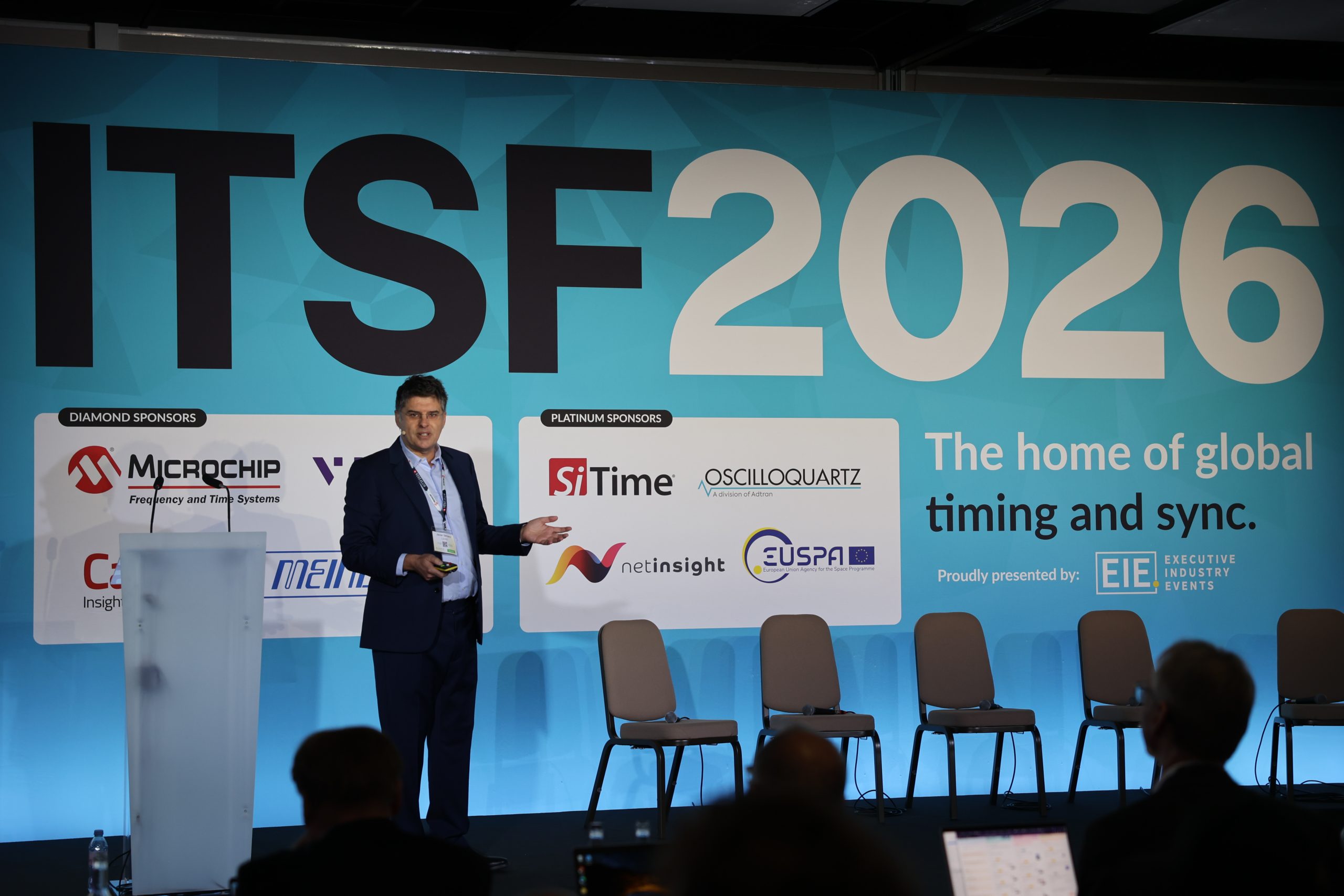
White Rabbit Collaboration at ITSF 2026
This edition was particularly special, as it took place in Geneva not far from CERN, where White Rabbit was… Read More
Are you looking for a paper in particular?
