
White Rabbit Clock Characteristics
Published:
ISPCS 2016
Abstract
White Rabbit (WR) extends the Precision Time Protocol (PTP) to provide synchronisation with sub-nanosecond accuracy and sub-50 picoseconds precision. The protocol aspects of the WR extension are currently studied and integrated into the upcoming revision of PTP. In the context of this PTP revision, mechanisms are added to allow the control of the Layer 1 (L1) syntonisation by the PTP protocol. This article focuses on the frequency transfer characteristics of the L1 syntonisation in WR. We first explain the interaction between L1 syntonisation and PTP synchronisation in a WR device and describe the architecture of its Phase-Locked Loop (PLL). We then characterize the frequency transfer through a WR network in two ways: measuring the characteristics of the WR switch according to the Synchronous Ethernet (SyncE) metrics defined in ITU-T G.8262, and performing phase noise analysis. The results of the measurements allow us to propose improvements that might be useful for different types of WR applications. Metrology laboratories might be interested in the optimisations made to significantly reduce the phase noise. On the other hand, the telecom industry might be interested in the modifications that make the WR switch SyncEcompliant but deteriorate its performance. Notably, the latter was achieved merely by modifying the software that implements the WR PLL.
MORE ABOUT THIS TOPIC
Related Publications
-
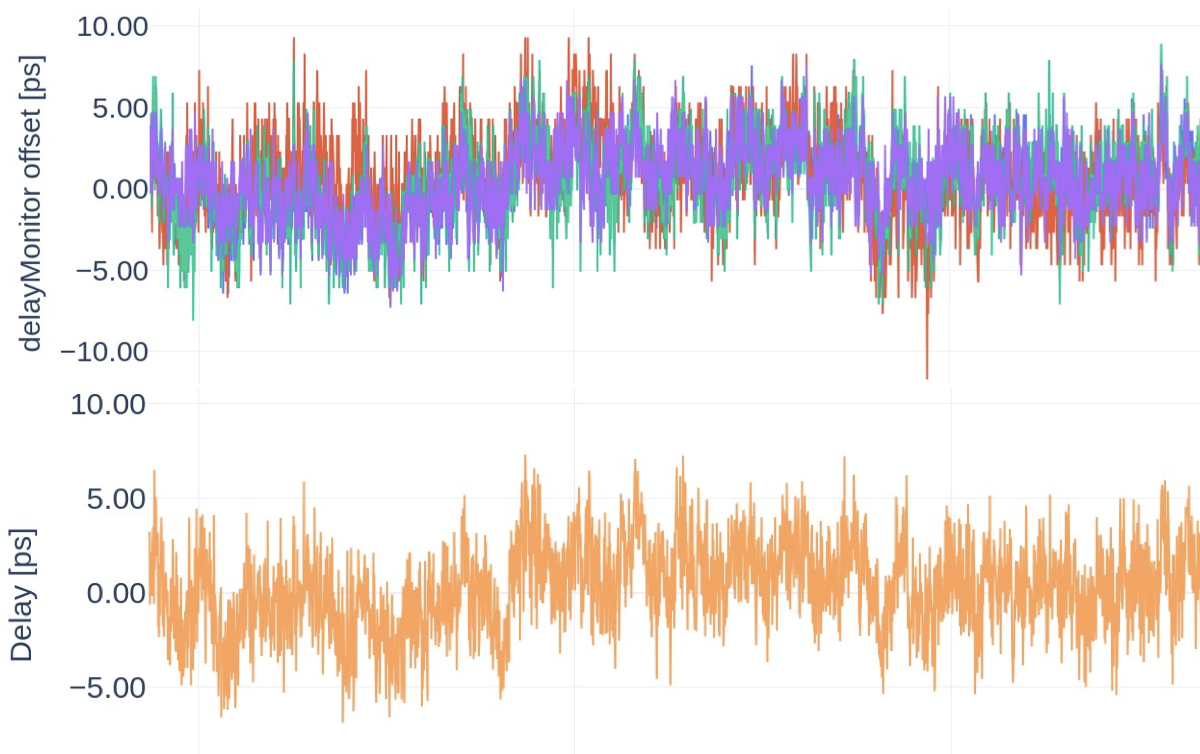
Collaboration Bureau to add a much-needed delay monitoring feature to switch firmware
The new feature can significantly simplify monitoring of redundant links or multiple time sources, enabling the collection of time… Read More
-
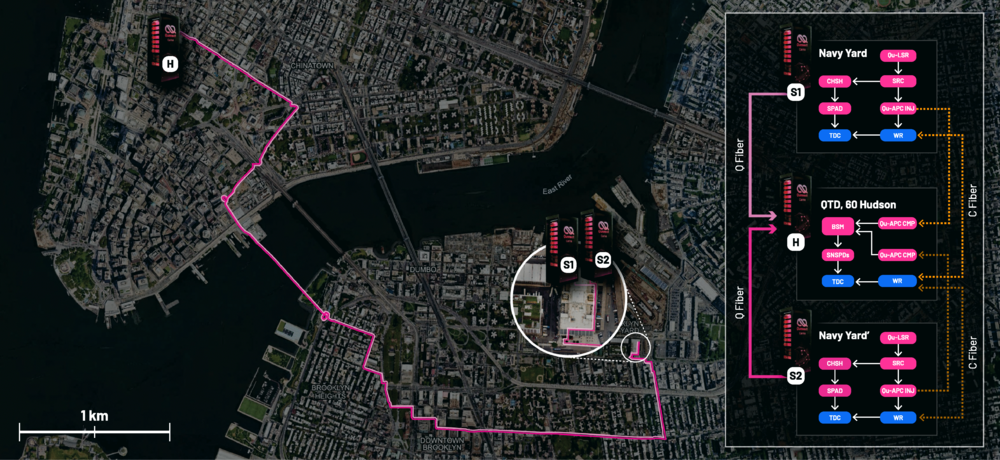
High-Rate Scalable Entanglement Swapping Between Remote Entanglement Sources on Deployed New York City Fibers
Abstract Entanglement swapping between photon pairs generated at physically separated nodes over telecommunication fiber infrastructure is an essential step… Read More
-
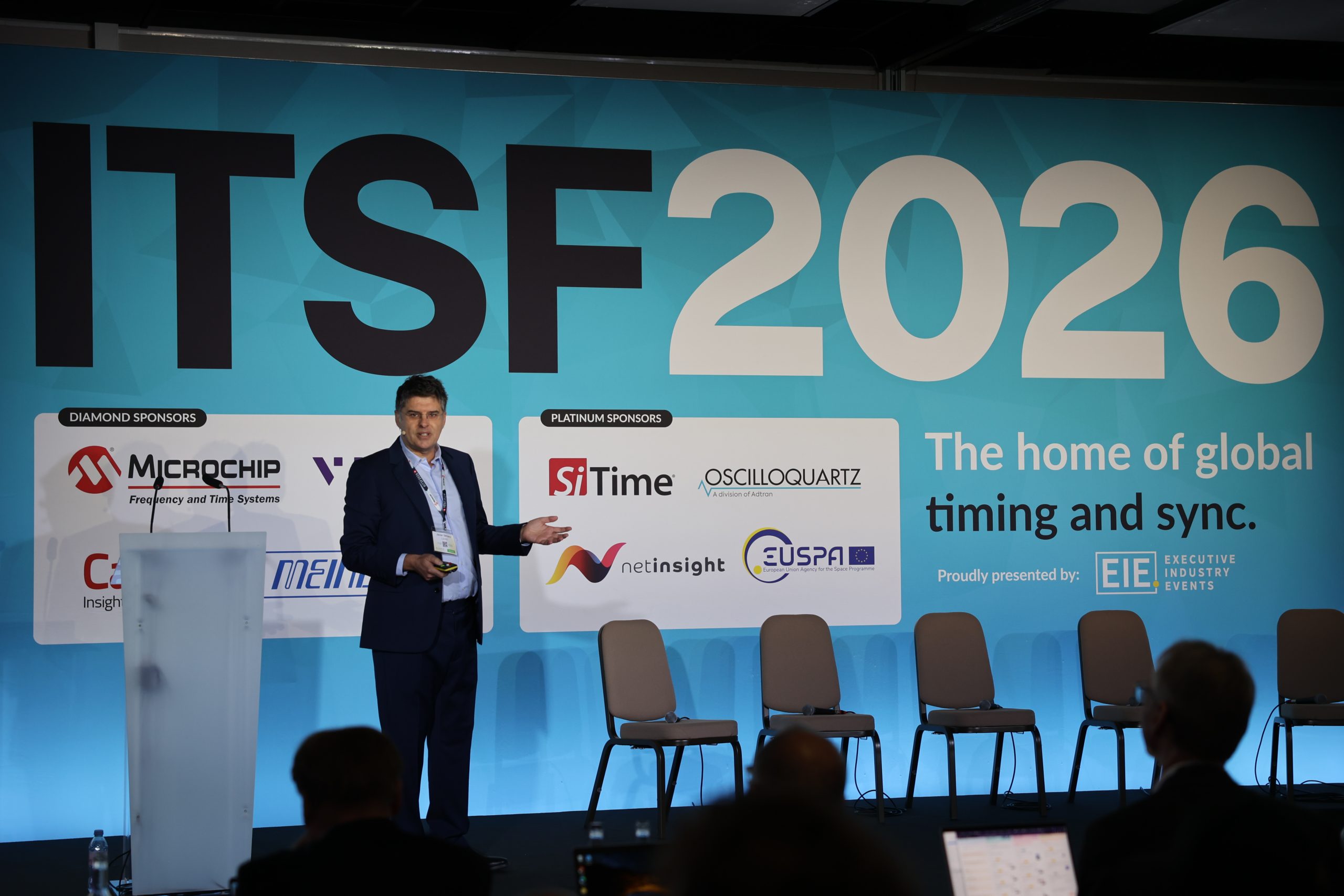
White Rabbit Collaboration at ITSF 2026
This edition was particularly special, as it took place in Geneva not far from CERN, where White Rabbit was… Read More
Are you looking for a paper in particular?
